Understanding a Universal Gun Cleaning Kit and the Chemicals and Components Inside
Updated: Jul 26
Firearm enthusiasts purchase gun cleaning kits every day. However, many gun owners often wonder about the purpose of some items inside the case. Today, I want to review the practical uses of whatever is inside the box. They are not all the same. Not at all.

Understanding Your Gun Cleaning Kit
Kit Elements Beginning with the Gun Cleaning Rod
Let’s start with the metal cleaning rod. Some rods are uncoated and made of brass or aluminum, while others are steel. The best choice is a coated rod with a barrier surface treatment. This prevents scratches inside the bore. I recommend choosing a coated, stainless steel version for its strength, durability, and anti-scratch properties. Remember, don’t go cheap! This particular Tetra Gun kit offers superior value compared to other brands that hype overpriced alternatives with unimpressive or non-essential components. Look carefully.

Next, let’s talk about the bore guide. This often-overlooked part helps guide the rod down the bore without unnecessary contact, which can lead to scratches.

Essential Accessories in Firearm Maintenance
Patch holders, ideally made of steel or brass, hold the cotton gun patches as they travel down the bore. They pick up powder residue or deliver gun lube oil until the last patch comes out clean.

No firearm cleaning kit is complete without cotton patches, regardless of size or configuration. If you’re active at the range and use many different firearms, you’ll go through a lot of patches.
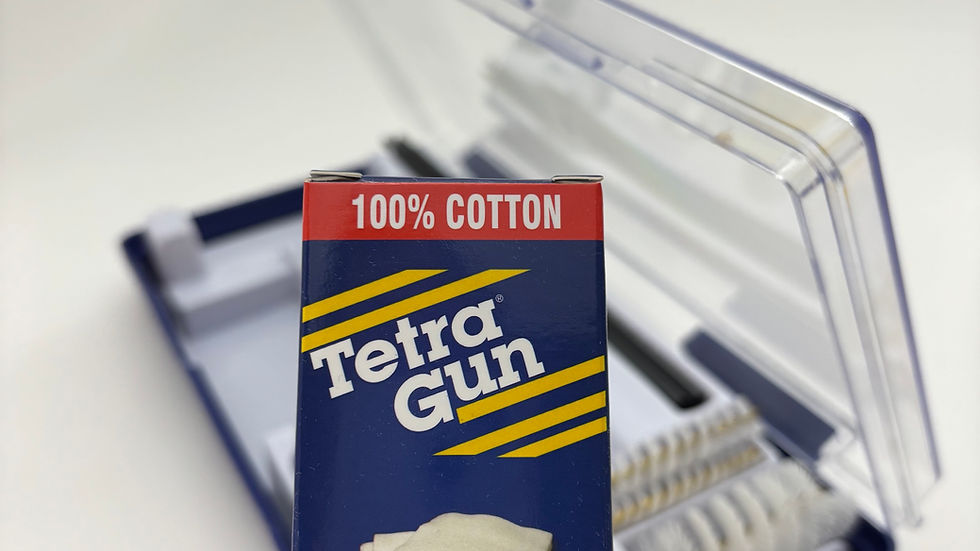
It’s crucial to match the patch size to your bore diameter. You should feel contact tension but avoid applying too much pressure that could bend the rod. If that happens, pick a smaller patch size or trim the patches you have. Sometimes, the way the patch folds can impact the fit.

A nylon-bristled bore brush is a great substitute for many bore cleaning applications. It scrubs away carbon fouling and prepares the bore metal for lubrication. The more common bronze brush is more aggressive and scrubs hard fouling off gunmetal effectively.
Firearm Lubricants & Bore Cleaners
Not every cleaning kit includes a tube of grease, but the better ones do. Grease is more effective than oil on critical high-wear parts like slide rails, choke tubes, and bolts. These areas are vulnerable to wear and need a heavier protective dose of lubrication. This is a fact that knowledgeable gun manufacturers and gunsmiths understand. Some may disagree, but they are mistaken.

Firearm lubricant, often in the form of a CLP (Clean, Lubricate, Protect), is the most common item found in a firearm maintenance kit. It helps clean with the accessories mentioned earlier while conditioning the metal with lubrication and protection. Before using it, remove any pre-existing solvent residue, powder fouling, and leftover lube from your last treatment, especially if you used a different brand.

You might also find bonus items inside the kit, like application instructions. A firearm manufacturer’s manual may be vague about maintenance, so any guidance from a gun care company can be helpful. It’s all about your attention to detail.
How to Choose the Right Gun Cleaning Chemicals
When it comes to firearm maintenance, there are other chemicals you might reach for to supplement grease and oil lubricant. Here are some options:
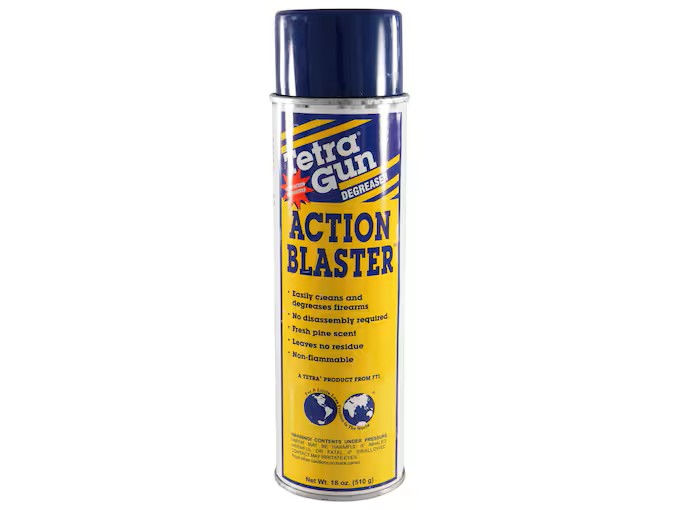
Cleaner Degreaser aerosol: Tetra Gun Action Blaster is a popular bore cleaning spray. Just spray and swab out fouling.
Copper Solvent: This is your best choice for hard fouling. It dissolves and removes copper, stubborn burned-in carbon powder residue, or plastic wadding from shotgun shells. Tetra's version is gel-based, allowing it to stay on the bronze brush better and work almost instantly due to its superior chemistry.
Carbon Cleaner: If you need a true cleaner versus a CLP, this will lift off carbon residue. After wiping that out, you should be ready to treat the bore with lube oil.
Cleaner Degreaser: For light-duty use, a safer, gentler water-based formula can be the best choice. It can be used without gloves or a mask since it won’t irritate skin or emit fumes like traditional bore solvents. The only tradeoff is strength.
Using the right gun cleaning chemicals will keep your firearm in tip-top shape and in fire-ready condition. This reminds me of another long-standing theme—Tetra Gun care's concept of bore conditioning.
Gun Care Review and Checklist
Unload your firearm and ensure it’s safe.
Disassemble according to your gun’s manual.
Apply solvent to the barrel and other fouled parts.
Use a brush to scrub away residue.
Run patches through the barrel until they come out clean.
Wipe down all parts with a clean cloth.
Apply lubricant sparingly to moving parts.
Add protectant to metal surfaces to prevent rust (same product).
Reassemble your firearm.
10. Perform a function check to ensure everything works smoothly.
Following these steps regularly will keep your firearm in top condition, making it a reliable tool for you.
Conclusion
In conclusion, understanding the elements of your gun cleaning kit is essential. Each component plays a vital role in maintaining your firearm. Whether you’re a seasoned enthusiast or just starting, knowing how to use these tools effectively will ensure your firearm remains in peak condition. So, grab your Tetra Gun cleaning kit and get started today!


Comments